

Flexible Triathlon Training Plans Tailored to Your Lifestyle
Triathlons are exciting, challenging, and rewarding. They combine swimming, cycling, and running into one thrilling event. However, training for a triathlon can feel overwhelming, especially if you have a busy lifestyle. The good news is that you can create a flexible training plan that fits your schedule. This blog post will guide you through the process of developing a triathlon training plan that works for you.
Understanding the Basics of Triathlon Training
Before diving into training plans, it is essential to understand the three components of a triathlon: swimming, cycling, and running. Each discipline requires different skills and training approaches.
Swimming
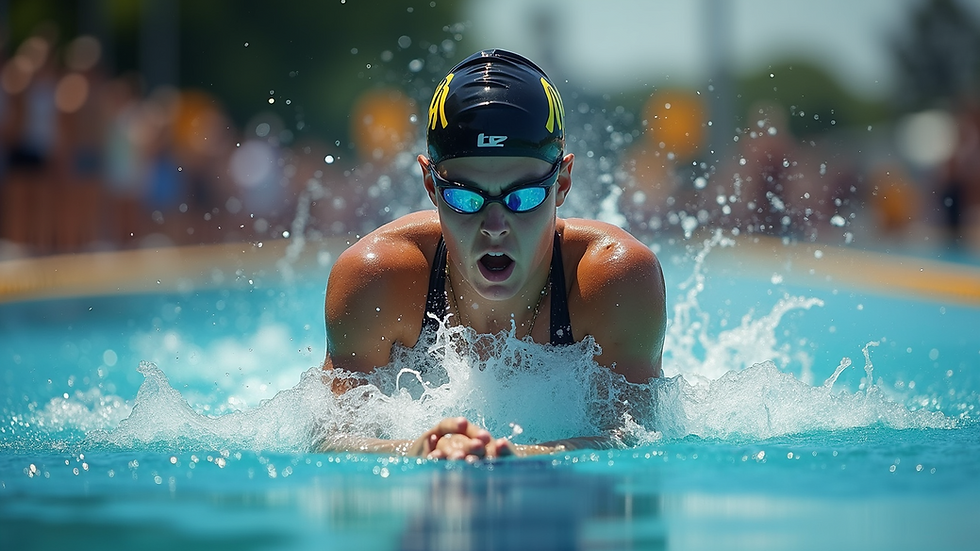
Swimming is often the first leg of a triathlon. It can be intimidating for many athletes. Focus on building your endurance and technique.
Practice regularly: Aim for at least two to three swim sessions per week.
Work on technique: Consider taking lessons or watching instructional videos.
Incorporate drills: Use drills to improve your stroke and breathing.
Cycling
Cycling is the second leg and can be a lot of fun. It allows you to cover more distance and build strength.
Ride often: Try to cycle at least two to three times a week.
Vary your routes: Explore different terrains to build strength and endurance.
Include intervals: Short bursts of speed can improve your overall performance.
Running
Running is the final leg and can be the most challenging for some. Building a strong running base is crucial.
Run regularly: Aim for three to four runs each week.
Mix up your distances: Include short, fast runs and longer, slower runs.
Focus on form: Good running form can help prevent injuries.
Creating a Flexible Training Plan
Now that you understand the basics, let’s create a flexible training plan. The key is to tailor it to your lifestyle. Here are some steps to help you get started.
Assess Your Schedule
Take a close look at your weekly schedule. Identify the times you can dedicate to training. Consider your work, family commitments, and social activities.
Make a list: Write down your available time slots for training.
Be realistic: Choose times that you can consistently stick to.
Set Your Goals
What do you want to achieve with your training? Setting clear goals can help keep you motivated.
Short-term goals: These could include completing a certain distance or improving your time.
Long-term goals: Think about your ultimate goal, like finishing a specific triathlon.
Choose Your Training Days
Based on your schedule and goals, select specific days for each discipline.
Example Plan:
- Monday: Swim
- Tuesday: Run
- Wednesday: Cycle
- Thursday: Rest or light activity
- Friday: Swim
- Saturday: Long run
- Sunday: Long bike ride
Be Flexible
Life can be unpredictable. If you miss a workout, don’t stress. Adjust your plan as needed.
Swap days: If you can’t train on a scheduled day, move it to another day.
Shorten workouts: If you’re short on time, do a quick workout instead of skipping it.
Incorporating Cross-Training
Cross-training can enhance your performance and reduce the risk of injury. It involves engaging in different activities that complement your triathlon training.
Yoga: Improves flexibility and mental focus.
Strength training: Builds muscle and supports endurance.
Pilates: Enhances core strength and stability.
Nutrition and Hydration
Proper nutrition and hydration are vital for triathlon training. Fuel your body with the right foods to support your workouts.
Balanced diet: Include carbohydrates, proteins, and healthy fats.
Stay hydrated: Drink plenty of water before, during, and after workouts.
Pre-race nutrition: Experiment with what works best for you before race day.
Mental Preparation
Training for a triathlon is not just physical; it is also mental. Developing a strong mindset can help you overcome challenges.
Visualize success: Picture yourself completing the race.
Stay positive: Focus on your progress and celebrate small victories.
Practice mindfulness: Techniques like meditation can help reduce anxiety.
Finding Support
Training for a triathlon can be more enjoyable with support. Consider joining a local triathlon club or finding a training partner.
Community: Surround yourself with like-minded individuals who share your passion.
Accountability: Having a training partner can keep you motivated and accountable.
Sample Training Plan for Beginners
Here is a sample training plan for beginners. This plan is flexible and can be adjusted based on your schedule and fitness level.
Week 1
Monday: 30-minute swim focusing on technique
Tuesday: 20-minute easy run
Wednesday: 45-minute bike ride on flat terrain
Thursday: Rest or light yoga
Friday: 30-minute swim with drills
Saturday: 40-minute long run
Sunday: 60-minute bike ride with some hills
Week 2
Monday: 35-minute swim with intervals
Tuesday: 25-minute run with some speed work
Wednesday: 50-minute bike ride with varied terrain
Thursday: Rest or strength training
Friday: 35-minute swim focusing on endurance
Saturday: 45-minute long run
Sunday: 70-minute bike ride
Adjusting Your Plan as You Progress
As you become more comfortable with your training, you may want to adjust your plan. Increase the intensity, duration, or frequency of your workouts.
Listen to your body: Pay attention to how you feel and adjust accordingly.
Set new goals: As you progress, set new challenges for yourself.
Preparing for Race Day
Race day can be both exciting and nerve-wracking. Proper preparation can help ease your anxiety.
Plan your logistics: Know the race location, start time, and what to bring.
Practice transitions: Familiarize yourself with transitioning between disciplines.
Stay calm: Use relaxation techniques to manage pre-race nerves.
Embracing the Journey
Training for a triathlon is a journey, not just a destination. Embrace the process and enjoy the experience.
Celebrate milestones: Acknowledge your progress and achievements.
Stay flexible: Life will throw challenges your way, but adaptability is key.
Triathlon training can be tailored to fit your lifestyle. By creating a flexible plan, you can enjoy the journey while preparing for your race. Remember to listen to your body, stay motivated, and have fun.

With the right mindset and a well-structured plan, you can conquer your triathlon goals. Whether you are a beginner or an experienced athlete, flexibility in your training can lead to success. So lace up your shoes, hop on your bike, and dive into the water. Your triathlon journey awaits!

Comments