

Bespoke Triathlon Coaching Plans for Novice to Experienced Athletes
Triathlons are not just races; they are a journey of self-discovery, endurance, and personal growth. Whether you are a novice stepping into the world of triathlons or an experienced athlete looking to refine your skills, having a tailored coaching plan can make all the difference. In this blog post, we will explore the benefits of bespoke triathlon coaching plans and how they can help you achieve your goals, no matter your starting point.
Understanding the Basics of Triathlon
Before diving into coaching plans, it is essential to understand what a triathlon entails. A triathlon consists of three disciplines: swimming, cycling, and running. Each segment tests different aspects of your fitness and endurance.
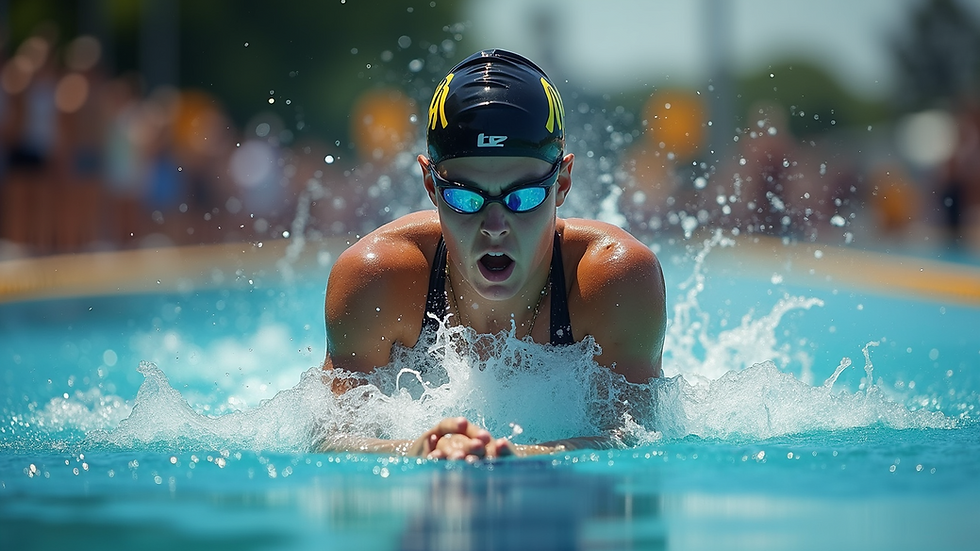
Swimming: This is often the most challenging part for many athletes. It requires technique, breath control, and stamina.
Cycling: This segment allows you to build speed and endurance. It is crucial to have a good bike and understand how to maintain it.
Running: The final leg of the race tests your mental and physical limits. Proper pacing and technique are vital here.
Understanding these components is the first step in creating a successful training plan.
The Importance of a Bespoke Coaching Plan
A one-size-fits-all approach does not work in triathlon training. Each athlete has unique strengths, weaknesses, and goals. A bespoke coaching plan takes these factors into account. Here are some reasons why personalized coaching is beneficial:
Individual Assessment: A coach can assess your current fitness level and identify areas for improvement.
Goal Setting: Whether you want to complete your first triathlon or achieve a personal best, a coach can help set realistic and achievable goals.
Tailored Workouts: Customized workouts ensure you are training effectively for your specific needs.
Accountability: Having a coach keeps you accountable, which can be a significant motivator.
Expert Guidance: Coaches provide valuable insights and tips that can enhance your performance.
Crafting Your Bespoke Coaching Plan
Creating a bespoke coaching plan involves several steps. Here’s how to get started:
Step 1: Initial Consultation
The first step is an initial consultation with your coach. This meeting should cover:
Your current fitness level
Previous experience with triathlons
Specific goals you want to achieve
Any injuries or limitations
This information helps the coach design a plan that suits you.
Step 2: Setting Goals
Once you have shared your background, it is time to set goals. Goals should be SMART:
Specific: Clearly define what you want to achieve.
Measurable: Ensure you can track your progress.
Achievable: Set realistic goals based on your current fitness level.
Relevant: Goals should align with your overall aspirations.
Time-bound: Set a deadline for achieving your goals.
For example, a novice might aim to complete a sprint triathlon in six months, while an experienced athlete might target a specific time for an Olympic distance triathlon.
Step 3: Developing a Training Schedule
A well-structured training schedule is crucial. It should include:
Swim Training: Focus on technique, endurance, and speed. Aim for at least two swim sessions per week.
Bike Training: Incorporate long rides, interval training, and hill workouts. Aim for three cycling sessions weekly.
Run Training: Include long runs, tempo runs, and speed work. Aim for three running sessions weekly.
Rest and Recovery: Schedule rest days to allow your body to recover and prevent injury.
Step 4: Nutrition and Hydration
Nutrition plays a vital role in triathlon training. A coach can help you develop a nutrition plan that supports your training. Key points to consider include:
Balanced Diet: Focus on whole foods, including lean proteins, whole grains, fruits, and vegetables.
Hydration: Stay hydrated before, during, and after workouts.
Race Day Nutrition: Practice your nutrition strategy during training to find what works best for you.
Step 5: Regular Assessments
Regular assessments are essential to track your progress. Your coach should schedule periodic evaluations to:
Review your performance
Adjust your training plan as needed
Celebrate your achievements
These assessments help keep you motivated and on track.
The Role of Technology in Coaching
In today’s digital age, technology plays a significant role in triathlon coaching. Here are some tools that can enhance your training experience:
Wearable Devices: Fitness trackers and smartwatches can monitor your heart rate, pace, and distance.
Training Apps: Apps like Strava or TrainingPeaks allow you to log workouts and track progress.
Video Analysis: Coaches can use video analysis to assess your swimming technique and provide feedback.
Success Stories: From Novice to Experienced
Many athletes have transformed their performance through bespoke coaching plans. Here are a couple of success stories:
Novice Athlete: Sarah’s Journey
Sarah was a complete novice when she decided to try her first triathlon. With the help of a bespoke coaching plan, she learned proper swimming techniques, improved her cycling endurance, and developed a running strategy. After six months of dedicated training, Sarah completed her first sprint triathlon and felt a sense of accomplishment she had never experienced before.
Experienced Athlete: Mark’s Transformation
Mark was an experienced runner but struggled with the swimming portion of triathlons. He sought a coach to help him improve his technique. Through personalized swim drills and focused training, Mark not only improved his swim time but also achieved a personal best in his next Olympic distance triathlon.
Overcoming Common Challenges
Training for a triathlon can be challenging. Here are some common obstacles and tips to overcome them:
Time Management: Balancing work, family, and training can be tough. Create a weekly schedule that prioritizes your workouts.
Injury Prevention: Listen to your body and take rest days seriously. Incorporate strength training and flexibility exercises to reduce the risk of injury.
Mental Toughness: Triathlons are as much a mental challenge as a physical one. Practice visualization techniques and positive self-talk to build mental resilience.
The Final Push: Preparing for Race Day
As race day approaches, your training plan should shift to focus on tapering. Tapering involves reducing your training volume to allow your body to recover and be at its best for the race. Here are some tips for a successful race day:
Plan Your Gear: Lay out your gear the night before to avoid last-minute stress.
Stay Hydrated: Drink plenty of water in the days leading up to the race.
Nutrition: Stick to familiar foods and avoid trying anything new on race day.
Pace Yourself: Start at a comfortable pace and listen to your body throughout the race.
Embracing the Journey
Triathlon training is a journey filled with ups and downs. With a bespoke coaching plan, you can navigate this journey more effectively. Remember, every athlete starts somewhere, and with dedication and the right guidance, you can achieve your goals.
Whether you are just starting or looking to improve your performance, bespoke triathlon coaching plans offer the support and structure you need. Embrace the process, trust your training, and enjoy the ride. Your triathlon journey awaits, and with the right plan, you are well on your way to success.


Comments